Web Programming Icon Pack Review
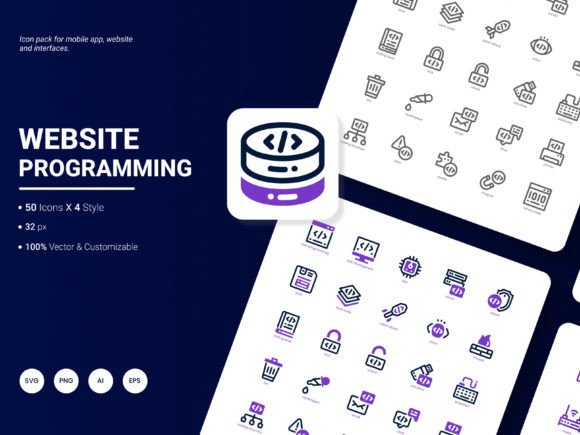
As a designer who spends more time looking at stitch density and fabric grain than pixel grids, I approach digital assets with a healthy dose of skepticism. Just because an image looks crisp on a monitor doesn’t mean it will translate well through the needle and thread. When I first laid eyes on the Web Programming Icon Pack, my initial reaction was one of cautious optimism. It comprises 200 stylish icons showcasing popular services and ideas, which sounds like a massive library, but the real question for any embroiderer is whether these graphics hold up under the physical constraints of machine embroidery.
This review isn’t just about aesthetics; it’s about practical application. I am evaluating this pack not as a web developer might, but as someone preparing custom apparel, handmade products, and craft business items. The goal here is to determine if these design assets can elevate a finished product or if they risk looking muddy and indistinct once stitched.
The Visual Personality and First Impressions
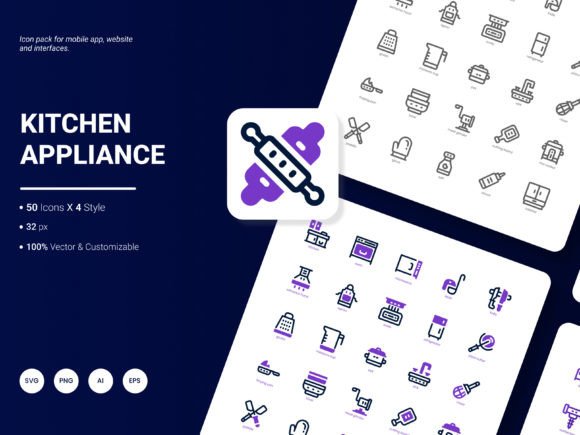
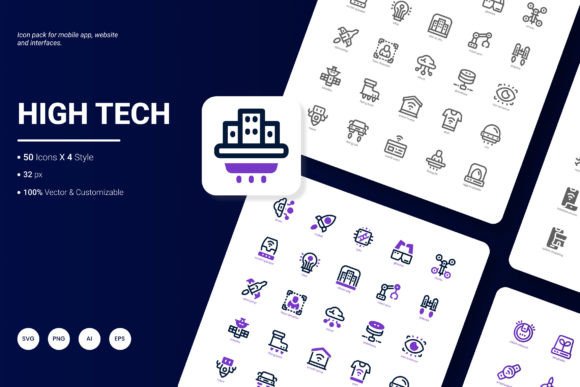
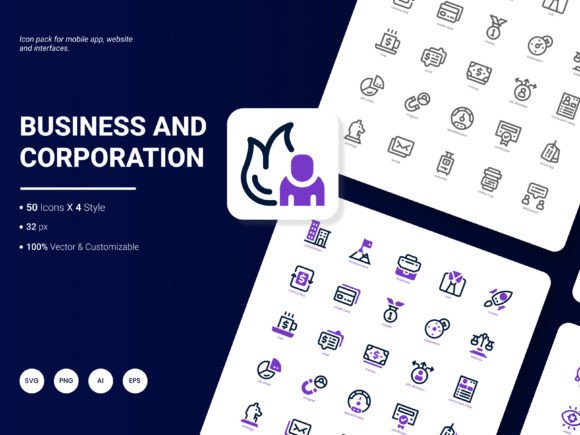
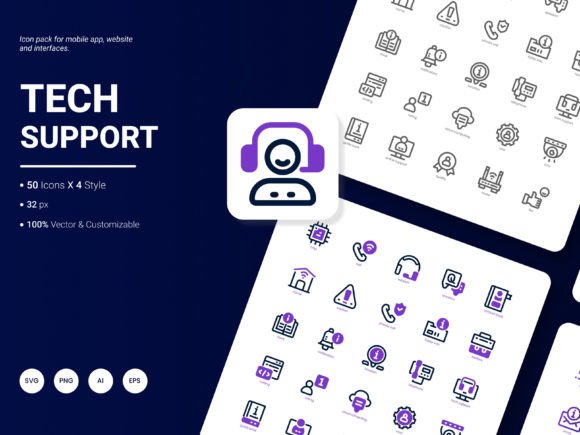
The mood created by the Web Programming Icon Pack is distinctly modern, clean, and corporate-friendly. In the world of embroidery project design, "clean" is both a blessing and a curse. These icons are built on geometric precision, featuring sharp lines and clear negative space. For a machine embroidery design, this clarity is vital. Unlike ornate floral patterns that rely on subtle shading, these icons rely on bold shapes.
Visually, the pack feels organized and professional. The layout suggests that each icon was designed with scalability in mind. This is crucial when you are thinking about how a single code symbol or a server rack graphic will look on a sweatshirt embroidery chest logo versus a tiny embroidered patch on a cap. The visual personality leans towards tech-savvy and analytical, making it perfect for presentations, infographics, and yes, even digital product previews. However, for a handmade product intended to feel warm and personal, you have to be careful. These icons bring a cool, detached efficiency to a piece of fabric. They work best when the brand identity is sleek, minimalist, or strictly professional.
Real-World Application: From Screen to Stitch
Let’s talk about a specific scenario. Imagine you are an Etsy seller preparing a batch of custom embroidered tote bags for a coding bootcamp graduation gift. You want something that speaks to the recipient’s new career without being overly childish. You pull an icon from the Web Programming Icon Pack—perhaps a stylized bracket or a database cylinder—and place it centrally on the bag.
In this context, the design performs exceptionally well. The high contrast between the thread and the canvas allows the shape to read clearly. Customers react positively to designs that feel intentional and polished. A blurry, over-stitched logo screams "amateur," whereas a crisp icon from this pack signals professionalism and attention to detail. It enhances customer trust because it looks like a premium, boutique-level addition to the garment.
This versatility extends beyond tote bags. Consider custom apparel like hoodies for a startup team. The icons can be used to create a cohesive uniform where each department gets a relevant symbol. For personalized gifts, such as a laptop sleeve or a desk organizer pouch, these graphics add a touch of personality that resonates with tech enthusiasts. The pack’s breadth means you aren’t limited to just code symbols; you can incorporate icons for Wi-Fi, cloud storage, or security, allowing for a wide range of small shop product offerings.
Ideal Use Cases for Embroidery
- Corporate Merchandise: High-end branded polos or blazers where a subtle, recognizable logo is needed.
- Digital Creator Gear: Tote bags and mouse pads for streamers or developers.
- Educational Materials: Patches for coding camps or STEM workshops.
- Boutique Branding: Labels for handmade tech accessories like cable organizers.
Where Caution Is Required
However, no design is universally perfect, and the Web Programming Icon Pack has its limitations when translated to textile art. The primary challenge lies in scale and texture. If you attempt to use these icons in very small hoop sizes, you may run into issues with stitch definition. While the original graphics are clean, the digitization process (or your own stitching settings) must account for the minimum distance required for a satin stitch to form properly.
Be wary of textured fabrics. If you are stitching onto a chunky knit sweater or a rough burlap sack, the intricate details of the icons may get lost. The fabric texture can interfere with the stitch density, causing the design to pucker or look uneven. Similarly, thin or stretchy fabrics require extra care. Without proper stabilization, the tension from the threads can distort the delicate lines of the icons, ruining the visual appeal.
Dark fabrics present another consideration. Many web icons rely on white space or light colors to define their shape. On black denim or navy cotton, you must ensure you have enough thread contrast. If the icon is primarily composed of thin lines, using a thread color that is too close to the fabric will result in a design that is nearly invisible. Always test your thread colors against your actual fabric swatch before committing to a full production run.
Practical Designer Notes for Success
To get the most out of this digital embroidery file collection, follow these practical steps. First, always test the design on scrap fabric that matches the type and weight of your final material. This helps you identify potential issues with stabilizer choice or hoop tightness. Second, inspect the small details closely. Look for any areas where stitches might overlap unnecessarily or where gaps are too wide.
It is also wise to review the design in black and white mockups. Sometimes, color masks structural flaws. By viewing the icon in grayscale, you can better assess the balance of positive and negative space. Compare how the design looks on both light and dark backgrounds to ensure versatility. Furthermore, check whether the design works for both personal and commercial projects. If you plan to sell finished items, confirming licensing is non-negotiable. Do not assume that purchasing the pack grants you unlimited commercial rights; verify this before listing your craft business items on platforms like Etsy.
Key Considerations Checklist
- Test on Scrap: Verify stitch quality and fabric interaction.
- Check Contrast: Ensure thread stands out against the fabric.
- Review Density: Avoid overly dense areas that cause puckering.
- Confirm Licensing: Secure rights for commercial sales.
- Mockup Early: Use printable mockups to visualize the final product.
Final Verdict
The Web Programming Icon Pack is a strong asset for designers who need clean, modern, and recognizable symbols for their embroidery project portfolio. It excels in creating commercial embroidery pieces that appeal to a tech-savvy audience. Whether you are making holiday embroidery gifts for programmers or building a line of apparel decorators merchandise, these icons provide a solid foundation. Just remember that success lies in the execution. Pay attention to stitch density, choose the right stabilizer, and respect the limitations of your fabric. When done correctly, these design assets can transform a simple piece of cloth into a statement piece that customers are proud to wear or display.