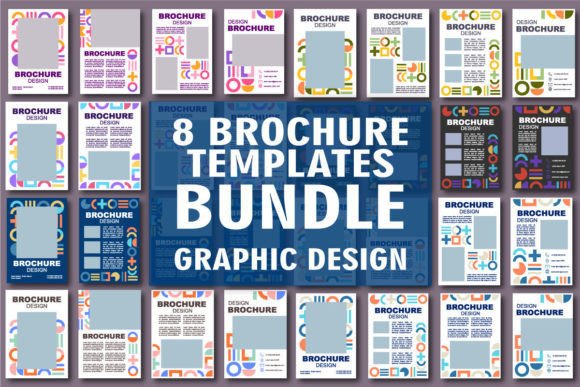
Digital Illustration Brochure Templates: A Versatile Graphic Design Asset
As a seasoned graphic designer working with a variety of clients—from handmade brands to digital startups—I’m always on the lookout for design assets that can elevate a project while maintaining flexibility. Recently, I reviewed Digital Illustration Brochure Templates and found them to be a compelling addition to my toolkit, especially when it comes to crafting cohesive visual narratives for small businesses and creative ventures.
Aesthetic First Impressions and Visual Mood
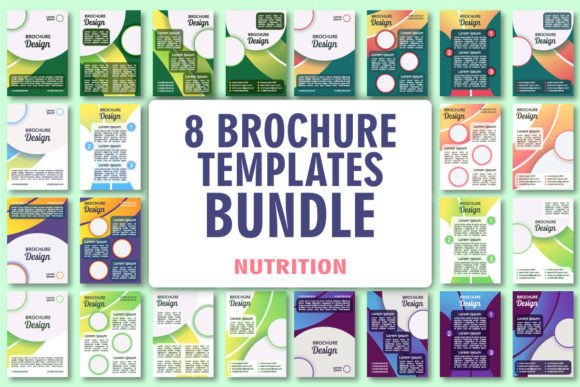
The first thing that struck me about these templates was their clean, modern aesthetic. The digital illustration elements are stylized yet subtle, making them versatile enough to adapt to different brand identities without overwhelming the content. These illustrations don’t scream for attention; instead, they create a soft backdrop that enhances the overall mood of the brochure or flyer.
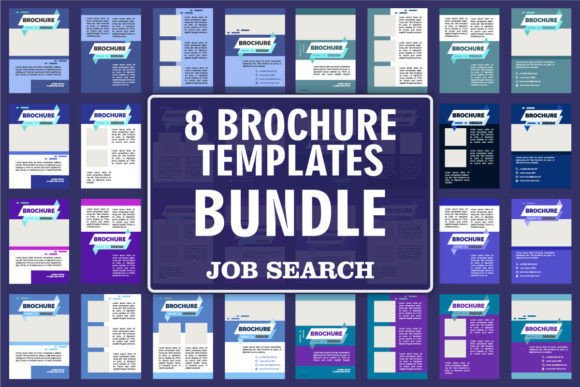
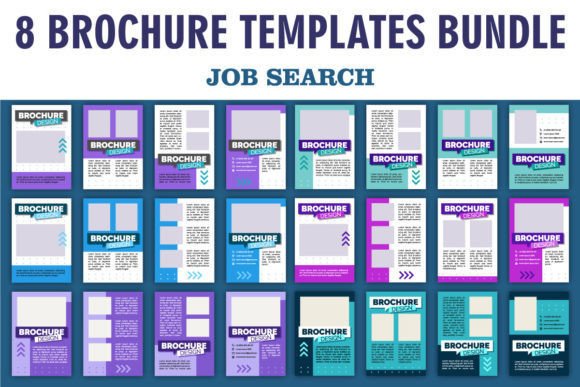
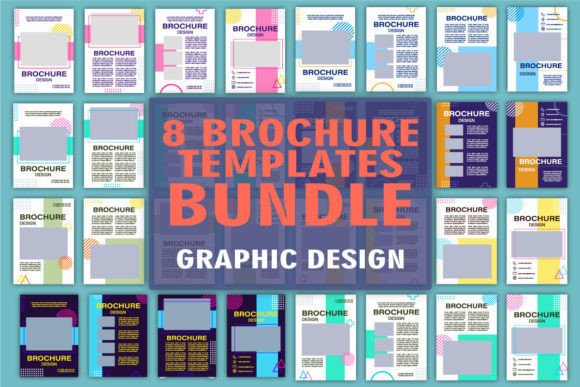
Each template is designed with vertical poster formats in mind, which makes sense given how much real estate we often have to work with in print-on-demand and social media marketing materials. The empty copy space allows for easy text placement, and the balance between imagery and typography feels intentional. This is not just a generic graphic template—it’s thoughtfully composed for readability and impact.
Project Fit: When These Templates Shine
I immediately thought of using Digital Illustration Brochure Templates for a local artisanal candle company launching an autumn product line. Their branding is warm and organic, and these templates would complement that perfectly. The hand-drawn quality of the illustrations gives off a handmade business vibe, ideal for Etsy shops, boutique lines, and seasonal campaigns.
- Brand Identity: These templates help reinforce a consistent visual language across promotional materials, packaging, and even website banners.
- Product Mockups: They’re great for placing behind mockups of items like candles, skincare products, or greeting cards to add texture and interest without cluttering the layout.
- Printable Designs: With editable flyer paper pages, you can easily adjust dimensions for print-on-demand services or Cricut projects, ensuring your graphic design asset looks great both online and offline.
- Social Media Graphics: The vertical format works well for Instagram posts and Pinterest pins, where scrolling visuals need to catch the eye quickly.
- Editorial and Campaign Work: Ideal for themed collections or seasonal promotions, they bring a creative edge to editorial layouts and campaign posters alike.
Visual Harmony and Brand Consistency
One of the key strengths of Digital Illustration Brochure Templates is how they support brand consistency. The style is uniform across the collection, so if you choose one illustration and use it as part of a broader visual strategy, it won’t clash with others. This is essential for anything from logo design to product labels, where a unified look builds visual trust and recognition.
They also contribute to emotional appeal. The gentle curves and muted tones evoke a sense of warmth and approachability—perfect for lifestyle brands, wellness companies, or any business aiming for a cozy, inviting feel.
Real-World Application and Performance
Let’s say you're designing a brochure for a new small business branding initiative. You want something that feels fresh but professional. These templates offer a middle ground—creative enough to stand out, yet structured enough to maintain professionalism. I used them in a recent project for a coffee roastery and layered them subtly into the background of the brochure, allowing the product photos and taglines to take center stage.
When applied to packaging design, these illustrations helped differentiate the product from competitors by adding a unique, artistic touch. For web design, they were used as decorative accents on landing pages and blog headers, enhancing the storytelling aspect without disrupting visual hierarchy.
For those who dabble in SVG design or vector-based work, the templates offer scalability and crisp edges, which is crucial for high-quality printing and digital exports. Whether you're creating a Canva template or preparing files for sublimation design on mugs and t-shirts, the clarity and resolution remain impressive.
Where Caution Is Needed
While these templates are incredibly useful, there are scenarios where they might not be the best fit. If you're designing for a corporate client with a minimalist brand identity, the illustrative elements could feel too whimsical. Similarly, in very small sizes such as icons or tiny social media thumbnails, the details may become lost.
They also don’t perform as well in crowded layouts or when placed over complex backgrounds. In such cases, the subtlety of the illustrations can get drowned out, reducing their effectiveness. Always consider the context before applying them—especially in commercial design where clarity is paramount.
Practical Designer Tips Before Use
- Test in Black and White: Some color gradients or fine linework may lose their impact in grayscale. Make sure the essence of the illustration still communicates effectively in monochrome.
- Check Contrast: Place the illustrations against both light and dark backgrounds to ensure they remain legible and visually balanced.
- Preview at Different Sizes: Test how the graphics render at both large layout areas (like posters) and small formats (such as stickers or social media avatars).
- Use on Real Mockups: Try overlaying them on actual product images or printable wall art mockups to see how they interact with other design elements.
- Confirm Print Quality: Even though they look good digitally, test-print a sample to ensure the colors and details translate well to physical materials.
- Review File Formats: Check if PNG transparency is included, which is essential for layering and blending in more advanced design workflows.
- Inspect Editability: If the collection includes SVG or vector versions, make sure they’re fully editable and scalable for custom applications like Cricut projects or personalized merchandise.
- Font Pairing Considerations: Compare the templates with various font styles—serif, sans serif, script, display—to find the best match for your message and audience.
- Commercial Licensing: Always verify the commercial license before using these design assets for client work or selling in a creative marketplace.
Engagement and Audience Appeal
These templates aren’t just about aesthetics—they influence audience engagement. The illustrated elements invite viewers to spend more time with the design, scanning for hidden details or thematic elements. That extra bit of curiosity can lead to better recall and stronger brand recognition, especially in a saturated market.
For bloggers and publishers, the brochures serve as a foundation for editorial spreads or magazine-style infographics. The blend of marketing visuals and informative layouts helps guide the reader through the content in a visually engaging way.
Why It's a Valuable Creative Asset
What makes Digital Illustration Brochure Templates stand out is their adaptability. They’re not limited to brochures alone—they can be repurposed for posters, flyers, invitations, and even as part of a larger design bundle for a full brand rollout. As a designer, having a set of ready-to-use, professionally styled illustrations saves time and ensures a polished final product.
They also encourage creativity. Because they come with empty copy space, you're free to experiment with text placement, font choices, and messaging strategies. This is particularly useful for digital sellers who want to maintain a consistent look across multiple platforms but still need room for customization.
Designers’ Final Thoughts
In summary, Digital Illustration Brochure Templates are a solid choice for designers looking to enhance the visual depth of their projects without compromising functionality. They work exceptionally well in large layout areas, hero sections, and supporting brand elements, bringing a touch of personality to otherwise flat designs.
However, as with any graphic design asset, understanding the right context is key. Use them carefully in small-scale designs or highly technical environments where minimalism is preferred. But in the right hands—and the right project—they can transform a standard brochure into a memorable piece of creative design that resonates with audiences and supports long-term brand growth.
If you're involved in graphic templates, digital design assets, or need a reliable base for marketing visuals, these templates deserve a spot in your library. Just remember to test, tweak, and tailor them to your specific needs before going live with client-facing deliverables.